Introduction to the Rising Sun
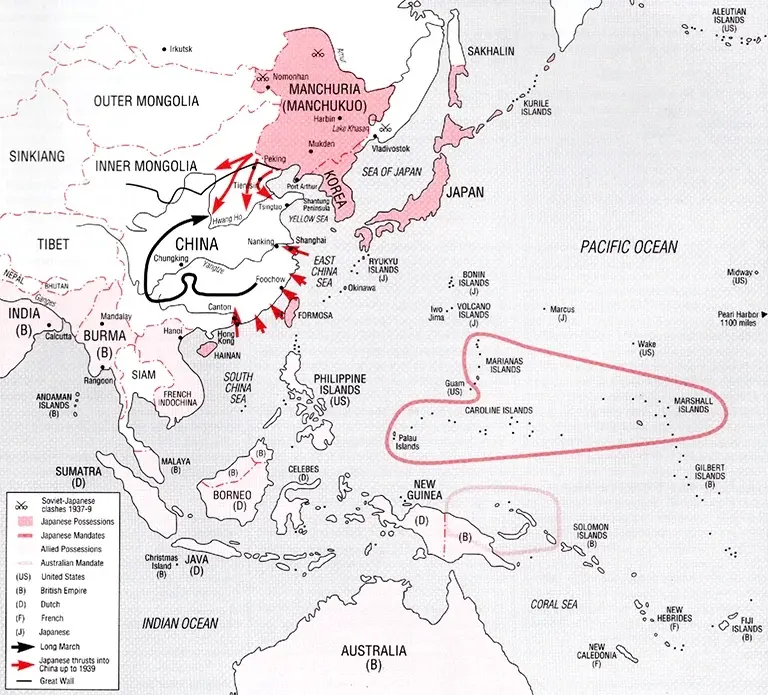
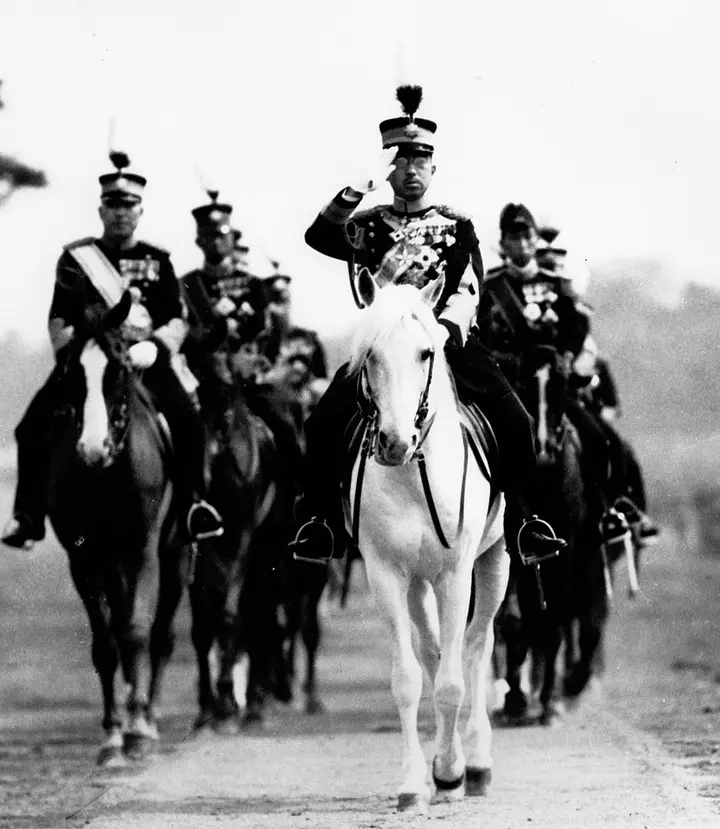
Across East Asia, the rise of Imperial Japan reshaped the strategic landscape in the years leading up to World War 2, long before the wider world understood how far its ambitions would reach. The years from 1937 to 1941 marked a period in which Japan’s power, confidence, and territorial reach expanded dramatically — an era defined by the rising sun of an increasingly assertive empire. Having already seized Manchuria in 1931, Japan entered this period determined to dominate the region and secure the resources it deemed essential for national survival and imperial destiny.
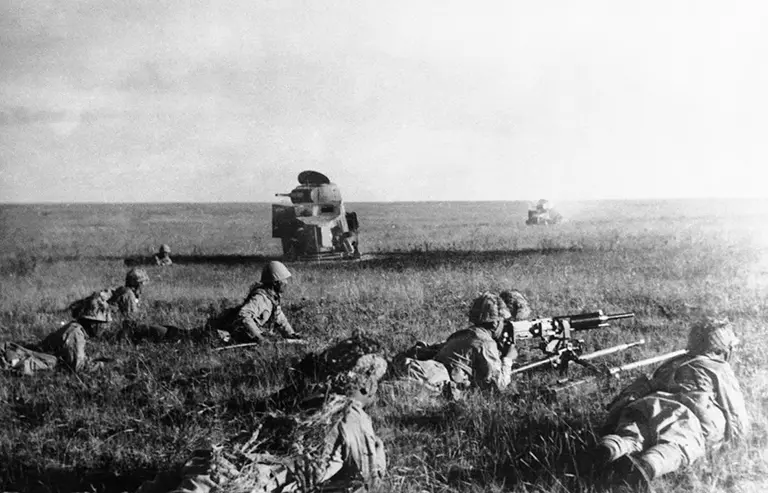
The spark came in July 1937 at the Marco Polo Bridge, where a brief clash between Japanese and Chinese troops escalated into full-scale war. From that moment, Japanese forces advanced deep into China, capturing major cities such as Beijing, Shanghai, and Nanjing. What Japan expected to be a short, decisive campaign instead became a prolonged, brutal struggle, marked by atrocities and unrelenting resistance. Unable to force China to capitulate, Tokyo broadened its strategy, looking beyond China’s borders for leverage, resources, and strategic advantage.
By 1940, Japan moved into northern French Indochina with the agreement of Vichy France, extending its reach into Southeast Asia and tightening the blockade on China. The following year, Japanese forces advanced into southern Indochina, bringing them to the doorstep of British Malaya, the Dutch East Indies, and the Philippines. These moves alarmed Western powers and triggered a series of escalating economic sanctions. The United States responded with embargoes on aviation fuel, metal, and eventually oil — a measure that placed Japan in a desperate strategic bind.
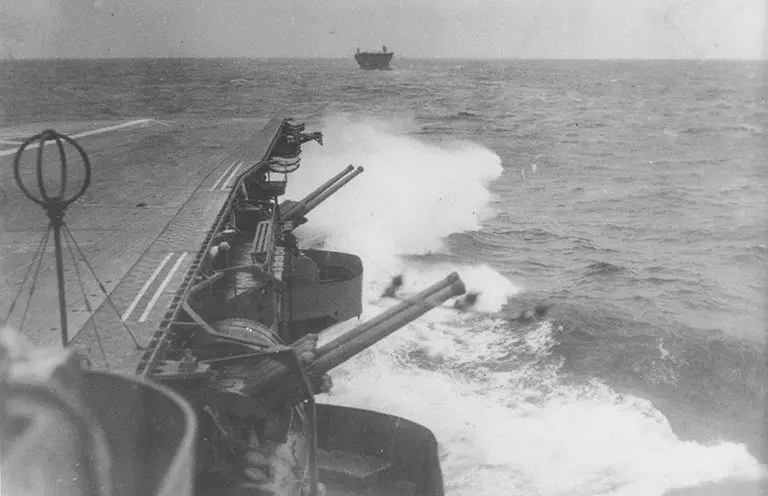
By mid-1941, Japan faced a stark choice: retreat from its expansionist path or secure vital resources by force. Talks with Washington continued, but trust had evaporated. Within Japan’s military leadership, the conviction grew that the empire must strike quickly, before American military power could make resistance impossible. A pre-emptive blow — one that would disable the US Pacific Fleet — became increasingly seen as the only viable course.
As 1941 drew to a close, Japan’s rise had reached its decisive moment. The imperial sun that had climbed steadily since the early 1930s now prepared to push the entire Asia-Pacific into war. The decisions made in these years paved the way for the coordinated assaults of December 1941, transforming regional tensions into a global conflict.